
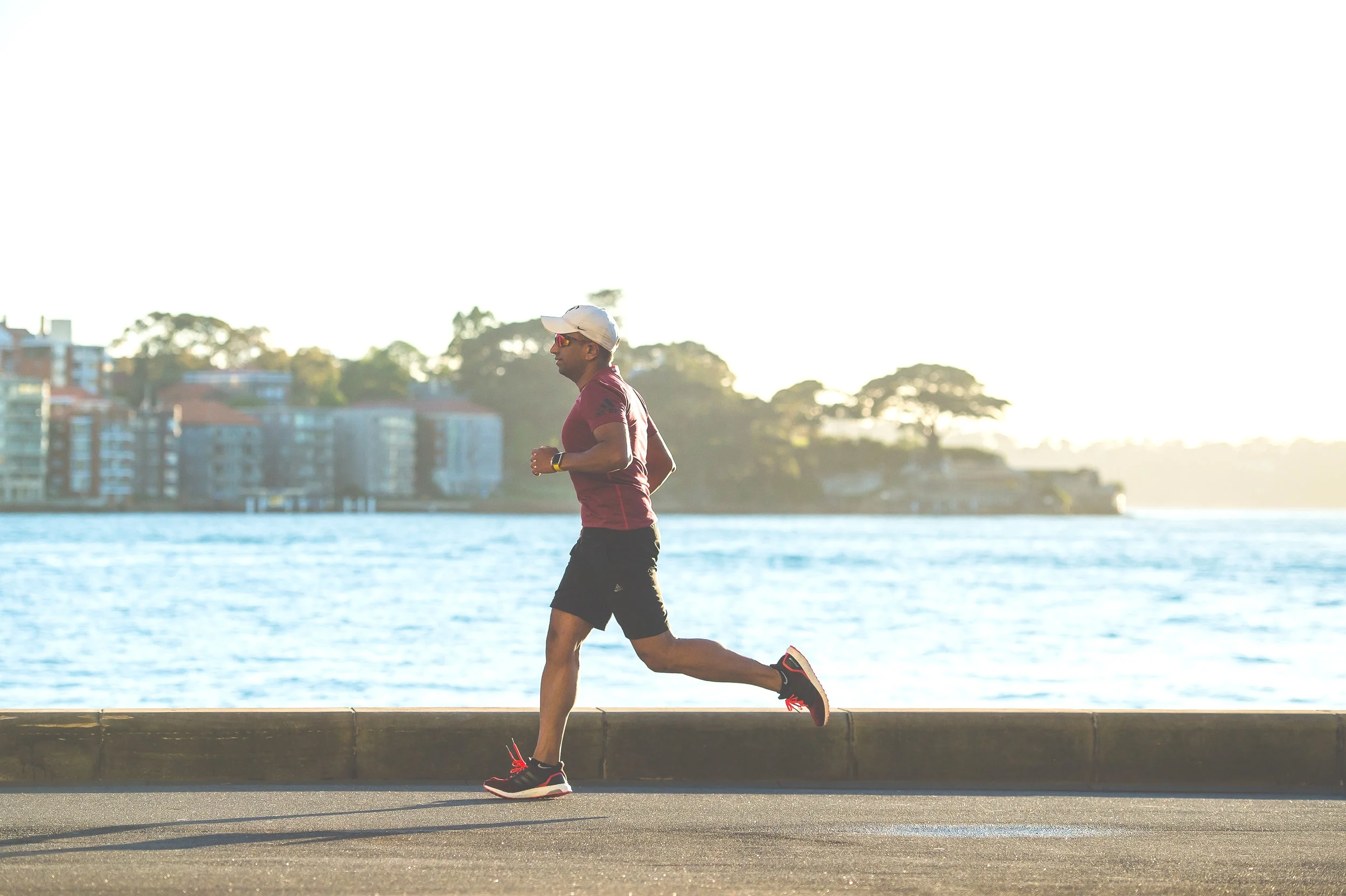
Achilles tenditinis is inflammation of the Achilles tendon located at the back of your calf and heel
Risk Factors
Achilles tendon injuries can affect people of all ages, but certain factors can increase the risk. Tight calf muscles are a common contributing factor, as they place additional strain on the Achilles tendon during walking, running, and sporting activities.
People at higher risk include:
Runners, particularly those who increase their training intensity or distance too quickly.
Dancers who place repetitive stress on the calf muscles and Achilles tendon.
Athletes involved in sports that require frequent sprinting, jumping, and sudden changes of direction, such as football, basketball, tennis, and netball.
Individuals returning to exercise after a period of inactivity.
People with poor footwear or inadequate support during physical activity.
Women who regularly alternate between high-heeled shoes and flat footwear, as this can alter calf muscle length and increase tension on the Achilles tendon.
Other contributing factors may include increasing age, reduced flexibility, biomechanical abnormalities, and certain medical conditions that affect tendon health.
Symptoms
Pain or aching along the back of the heel or lower calf.
Stiffness in the Achilles tendon, particularly first thing in the morning or after periods of rest.
Pain that improves with gentle activity but worsens with prolonged exercise.
Tenderness when touching or squeezing the tendon.
Swelling or thickening of the tendon.
Discomfort when walking, running, climbing stairs, or standing on tiptoes.
Reduced flexibility and tightness in the calf muscles.
A feeling of weakness or reduced power during sporting activities.
Symptoms are often worse after activities that place repetitive stress on the tendon, such as running, jumping, or sprinting. Early assessment and treatment can help prevent the condition from progressing and reduce the risk of more serious tendon injury or rupture.
Treatment
Early treatment of Achilles tendinitis focuses on reducing pain and allowing the tendon to recover. During the acute phase, it is important to reduce activities that aggravate symptoms and manage inflammation through appropriate self-care measures.
Treatment may include:
Rest or modification of activities that place excessive strain on the Achilles tendon.
Ice therapy to help reduce pain and inflammation.
Compression and elevation where appropriate.
Short-term use of anti-inflammatory medication, if suitable and recommended by your healthcare professional.
Gradual return to activity as symptoms improve.
Diagnostic imaging, such as ultrasound, may be recommended in some cases to assess the condition of the tendon and help determine the extent of any injury or degeneration.
As pain and inflammation settle, treatment should focus on addressing the underlying causes of the problem. This may include:
Assessment of footwear to ensure adequate support and cushioning.
Stretching exercises to improve calf muscle flexibility.
Strengthening and rehabilitation exercises to improve tendon capacity and function.
Assessment of foot biomechanics and gait.
Orthoses or heel lifts where appropriate to reduce strain on the tendon.
A tailored treatment plan can help promote recovery, reduce the risk of recurrence, and support a safe return to work, exercise, and sporting activities.